


Cleaning a stuffed animal is about more than a quick wash; it is about caring for a cherished friend. The right approach depends on the toy, but a gentle surface clean or a delicate machine cycle are usually safe ways to start. Here’s how to clean them safely and simply, keeping them fresh for the next adventure.
Why Proper Stuffed Animal Cleaning Matters
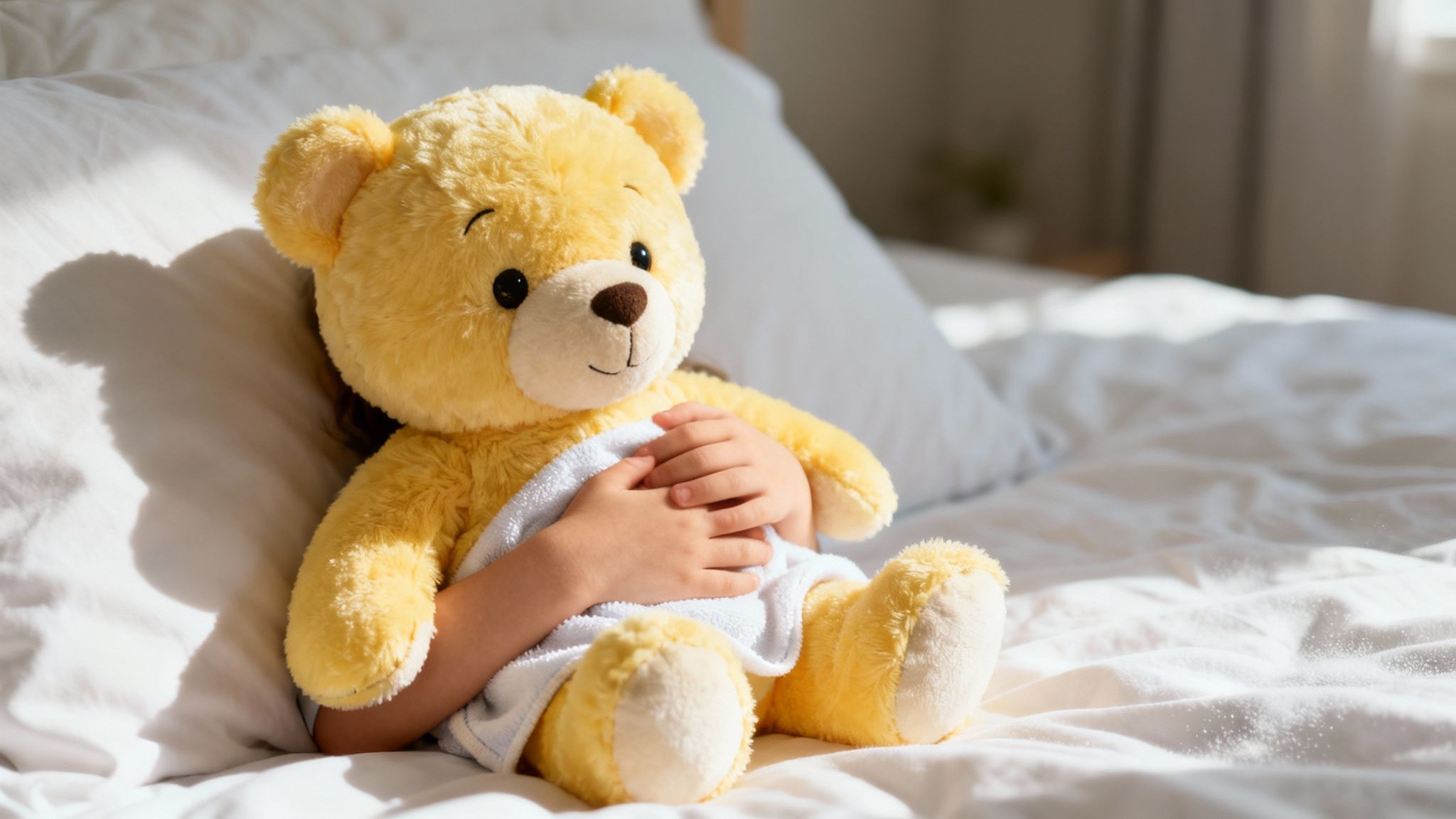
Stuffed animals are often constant companions for children. They provide comfort through countless hugs, tea parties, and nighttime snuggles. Because they are so well-loved, they naturally pick up dust, allergens, and everyday grime from playtime.
Keeping these fluffy friends clean supports their longevity and your family's well-being. A clean companion contributes to a healthier home, free from common irritants that can settle into soft fibers.
Cleaning Methods at a Glance
This table breaks down cleaning methods based on the type of stuffed animal.
| Cleaning Method | Best For | Key Consideration |
|---|---|---|
| Machine Wash | Durable, well-stitched toys without electronics or delicate parts. | Use a mesh bag and the delicate cycle with cold water. |
| Spot Cleaning | Toys with electronics, musical components, or fragile decorations. | Test a cleaning solution on a hidden spot first to ensure it is color-safe. |
| Gentle Spray | A quick refresh between washes or for toys that cannot get wet. | Choose a spray that is free of fragrances and residues, like one made with hypochlorous acid. |
| Deep Hand Wash | Older, more delicate, or heirloom stuffed animals. | Requires careful handling and gentle squeezing to avoid damaging the stuffing. |
Consider this your starting point. You know your child's favorite toy best, so always trust your judgment on what it can handle.
The Emotional and Practical Need for Cleanliness
The bond a child forms with a favorite stuffed animal is significant. These toys are present for tears, laughter, and quiet moments. Taking care of them is about preserving a genuine source of comfort and security.
Their popularity is not just anecdotal. The global market for stuffed animals was recently valued at USD 12.65 billion and is expected to keep growing.
A regular cleaning routine helps maintain the toy's familiar look and feel. It also removes unseen grime, creating a healthier space for both play and sleep.
Creating a Safe and Healthy Environment
Beyond visible dirt, stuffed animals can collect dust mites and pet dander. For families who value a simple, healthy home, keeping these items clean is an impactful step. This is especially true for toys that travel from the floor to the bed.
A clean toy is part of the equation. A system for effective toy organization also helps keep companions in great shape. Gentle cleaning methods that are safe for direct skin contact support this goal.
When you choose cleaners without harsh chemicals or fragrances, you create peace of mind. To learn more about gentle cleaning agents, see our guide on hypochlorous acid.
Now, let's walk through how to clean them safely and simply.
Common Missteps in Cleaning Beloved Toys
When a favorite teddy bear gets a little grubby, the first instinct might be to use a standard household cleaner. However, conventional cleaners and laundry detergents can create more problems than they solve. This is especially true for toys in constant contact with sensitive skin.
Most of these products contain harsh chemicals, fragrances, and optical brighteners. They may make a toy appear clean, but they can leave behind an irritating residue. This is a concern for any item a child holds, hugs, or sleeps with.
Overlooking Damage from Harsh Methods
The physical cleaning process can also be rough on a cherished friend. An aggressive wash cycle can be too much for delicate stitching, leading to tears or misshapen limbs. Heavy agitation can also mat soft fur, changing a toy's comforting texture.
Heat is another common issue for stuffed animals. Using a hot dryer seems fast, but it comes with risks.
- Warping: High heat can melt or warp plastic eyes and noses.
- Shrinking: Some fabrics will shrink, causing the toy to lose its shape.
- Internal Damage: Intense heat can ruin internal features like squeakers or crinkle materials.
A gentler, more thoughtful approach is better for the toy, your child, and your home.
The Problem with Fragrances and Dyes
Many cleaning products are made with artificial fragrances and dyes. These are designed to create a perception of cleanliness but do not contribute to cleaning. For children and pets, these additives can be a source of irritation.
Opting for fragrance-free and dye-free cleaners is a safer choice for items in your family’s daily life.
The goal is to remove dirt without introducing new irritants or causing damage. A simple, residue-free method provides true cleanliness and peace of mind.
A harsh cleaning routine can shorten the life of a beloved companion. Damage is not always obvious right away, but repeated exposure to strong chemicals and heat degrades fibers over time. Choosing a gentler method helps preserve these important friends for years to come.
The Gentle Science of Residue-Free Cleaning
There is a better way to clean the things your family loves most. It does not involve harsh chemicals or sticky, scented residues. The solution is based on simple science.
It centers on a compound called hypochlorous acid (HOCl). It cleans effectively without leaving anything behind.
This gentle solution is created using just three ingredients: salt, water, and electricity. There is no alcohol, no fragrances, no dyes, and no harsh surfactants. This simplicity makes it ideal for cleaning soft fabrics and surfaces, especially a child's plush toys.
Because it is truly residue-free, you are not swapping dirt for a chemical film. This is important when cleaning stuffed animals, where any leftover residue comes into direct contact with sensitive skin.
Understanding the Simple Science
Hypochlorous acid is the same substance the human immune system produces to maintain health. It is a molecule our bodies already know and trust.
When recreated for cleaning, it works similarly. It cleans, then breaks back down into a mild saline solution, leaving nothing behind.
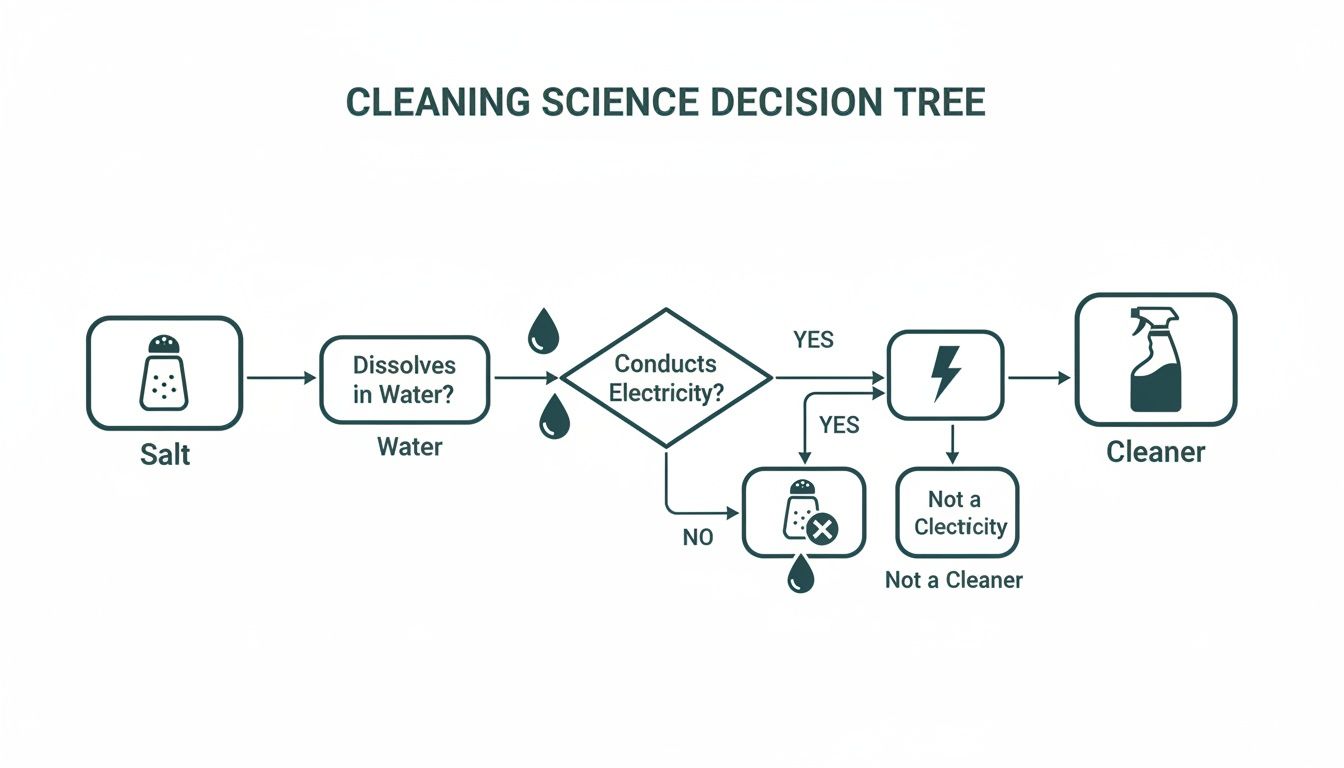
This process avoids the common problem with conventional cleaners. Most rely on strong chemicals or sudsing agents that can create a sticky film, which may attract more dirt over time. A residue-free approach helps surfaces stay genuinely cleaner, longer.
The goal isn’t just to remove grime. It is to do it without compromising the health and safety of your home. A gentle, science-backed solution provides that peace of mind.
Why This Matters for Your Home
Choosing a cleaner based on HOCl means you are not introducing unnecessary chemicals into your living spaces. It is a good choice for households with children, pets, or anyone with sensitivities. It helps create a calmer, healthier atmosphere.
The lack of fragrances and dyes is also important. Many scented products mask odors instead of addressing them, and dyes serve no cleaning purpose. Stripping those away leaves a product purely focused on cleaning. If you want to dive deeper, you can learn more about finding the best non-toxic toy cleaner in our guide.
This approach gives you confidence when cleaning. You know your child’s companions are being cared for in a way that is both effective and fundamentally simple.
Simple Steps for Washing Stuffed Animals
Every stuffed animal is different, and so is the best way to clean it. Before starting, a quick check of the toy's care tag and materials will tell you what you need to know.
First, find the label. Many newer toys can handle a washing machine, but older or delicate ones need a gentler touch. Note any electronics, like battery packs or voice boxes, as those cannot go in water. Also, check for fragile details like glued-on eyes or sequins that could come loose.
How To Machine Wash a Stuffed Animal
If you have a sturdy, machine-safe toy, a gentle cycle is the best option. This method works well for removing dust and grime from everyday adventures.
To keep the toy safe, place it inside a mesh laundry bag or a zippered pillowcase. This prevents snagging and stops plastic eyes from getting scuffed. Use a mild, fragrance-free detergent and choose the delicate cycle with cold water.
Surface Cleaning for Delicate Companions
Many stuffed animals are not built for a machine wash. This includes toys with electronics, delicate fabrics, or those filled with foam beads. For these, surface cleaning is the way to go.
This approach lets you clean the outside without soaking the inside. A gentle, residue-free spray is perfect here. Spritz a little onto a soft cloth and gently wipe the toy’s fur. Pay extra attention to any dirty spots.
Addressing Stains and Odors
Even with good care, spills and smells happen. For a milk drip or juice smudge, acting fast is key. Start by blotting the spot with a clean, damp cloth to lift as much of the stain as possible.
Different stains and odors call for different approaches, but the goal is always to be gentle.
Here's a quick guide for common issues.
Stain and Odor Treatment Guide
| Issue | Recommended Solution | Pro Tip |
|---|---|---|
| Mild Odors (Musty) | Air out in a well-ventilated area. A sprinkle of baking soda left on for 15-20 minutes before brushing off also works well. | Place the toy in a bag with baking soda and shake gently to coat it evenly before letting it sit. |
| Food Stains (Juice, Milk) | Blot with a damp cloth immediately. Use a mild soap and water solution, or a gentle HOCl spray on a cloth to dab the area. | Work from the outside of the stain inward to prevent it from spreading. |
| Grease or Oil Stains | Lightly sprinkle cornstarch or baking soda on the spot to absorb the oil. Let it sit for 30 minutes, then gently brush it off before spot cleaning. | Dabbing is more effective and gentler on the fabric than rubbing. |
| Ink or Marker Stains | Dab the area with a cloth lightly dampened with rubbing alcohol (test on a hidden spot first). For a gentler option, try a baby-safe stain remover. | Patience is important. It may take several applications to lift the ink. |
The same principles for messes on clothes often apply to soft toys. For more tips, this guide on how to remove stains from baby clothes can be helpful.
The goal is to start with the mildest cleaning method possible. You can always move to a more thorough approach if needed.
Whether using the machine or spot cleaning, the right technique keeps these beloved friends fresh. For more ideas on keeping all your baby's items clean, see our guide to cleaning infant toys.
Drying and Restoring Your Cuddly Companion
How you dry a stuffed animal is just as important as how you wash it. This step ensures a beloved friend comes back soft and cuddly, without issues like mildew or clumped stuffing.
Drying a toy the wrong way can result in a misshapen buddy or trapped moisture inside. This can create a place for mildew to grow. Taking your time here is critical for keeping your home healthy.
The Best Methods for Safe Drying
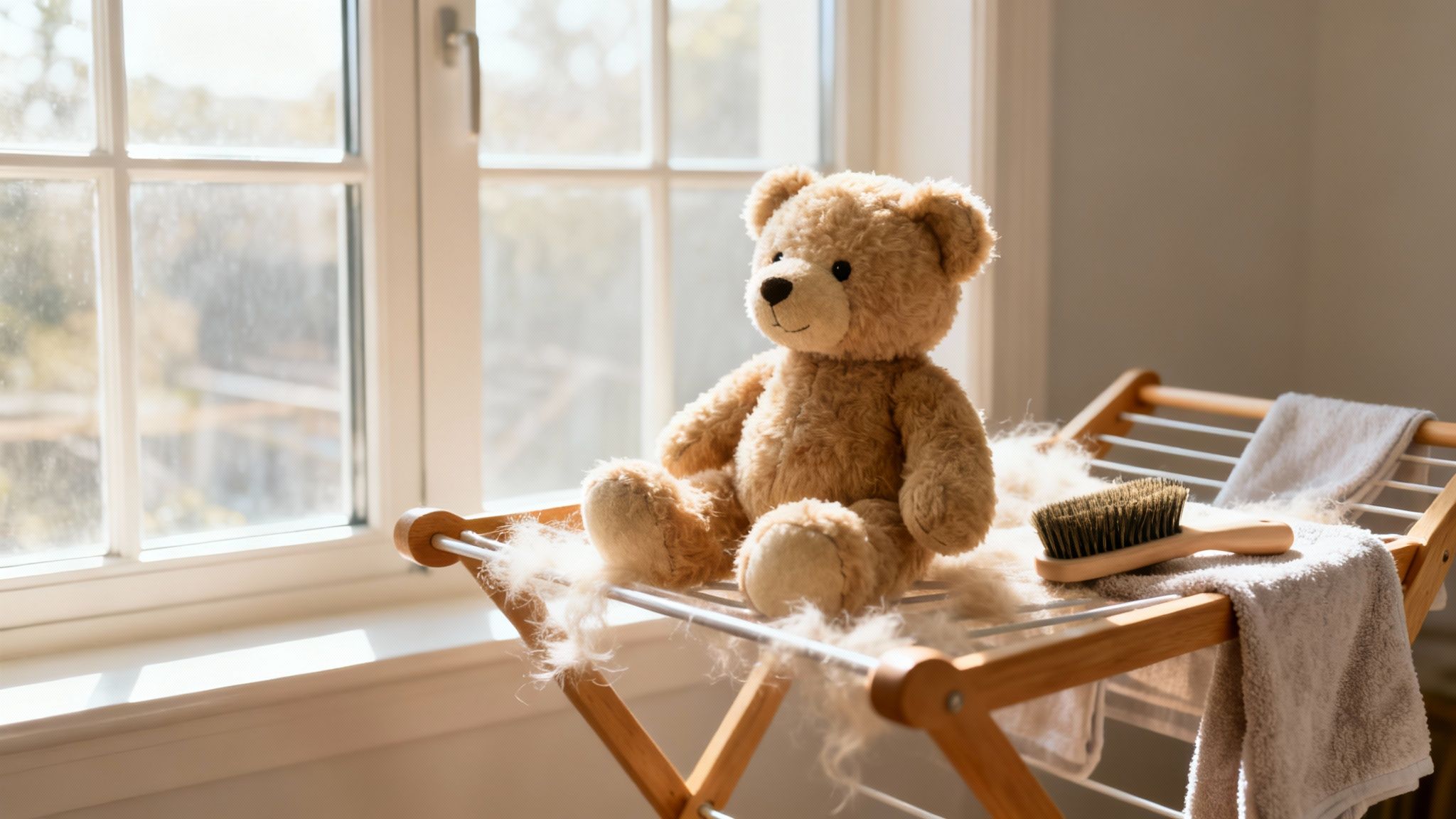
When in doubt, always air-dry. It is the safest route for delicate fabrics, plastic parts, and the toy's shape.
After washing, gently squeeze out as much water as possible. Never wring or twist the stuffed animal, as this can pop a seam or distort the filling.
For the best results, maximize airflow.
- Lay it flat on a clean, dry towel in a room with good circulation.
- Hang it from a clothesline using gentle clips on the ears or clothing.
- Position it in front of a fan to speed up the process.
If you have a sturdy toy that is machine-dryable, use the lowest heat setting available. A no-heat tumble dry cycle is even better. Tossing in a few wool dryer balls can help break up clumps and re-fluff the stuffing.
Restoring Fur and Fluffiness
A good wash can sometimes leave a stuffed animal’s fur looking matted or flat. A quick grooming session is all it takes to bring back its familiar softness.
The goal is to return a friend that is not only clean but feels just as comforting as before. Restoring the texture is a key part of preserving that connection.
Once the toy is completely dry, use a soft-bristled brush. A baby brush or a clean pet grooming brush works well. Gently comb the fur using short, light strokes in its natural direction. This will detangle any matted spots and fluff everything back up.
For toys with longer fur, you may need more time to work through knots. This final touch makes all the difference, ensuring the companion is soft and ready for more hugs.
Your Top Stuffed Animal Cleaning Questions, Answered
Here are a few of the most common questions about keeping plush pals clean, with straightforward answers to help you care for them.
How Often Should I Clean Stuffed Animals?
This depends on how much they are used. For a special friend that goes everywhere, a quick spot-clean every few weeks is a good idea. A more thorough wash about once a month, or anytime it looks grimy, is also recommended.
Some situations call for an immediate cleaning. If someone has been sick, or if there has been a major spill, you will want to clean it right away. The same goes if it has been stored in a dusty place.
Can I Clean a Stuffed Animal That Has a Music Box Inside?
Yes, but you have to be careful. The rule is to never submerge a toy with any kind of electronic or musical part in water.
Instead, surface cleaning is the only safe method. Use a soft cloth spritzed with a gentle, residue-free cleaner to wipe down the fur. This gets the outside clean without risk to the music box inside.
Is It Safe to Use Bleach or Strong Cleaners on Toys?
It is best to avoid these. Using harsh chemicals like bleach on something your child snuggles with is not recommended. These cleaners can leave behind fumes and irritating residues. Plus, they can easily ruin the toy's fabric and color.
Choosing a simple, gentle cleaner is about more than protecting the toy. It’s about ensuring the cleaning process supports the well-being of your family and home. A residue-free, fragrance-free solution provides peace of mind.
How Can I Clean a Very Old or Fragile Stuffed Animal?
Vintage and heirloom toys need the most delicate touch. Keep them away from the washing machine, as the spinning can be too much for old seams. A gentle hand wash or a very careful spot cleaning is your best bet.
Go slowly, use as little water as possible, and stick to a very mild cleaner. It is smart to test your cleaning solution on a small, hidden area first. Let these treasures air-dry completely, but keep them out of direct sunlight to prevent fading.
E-commerce platforms now account for 43% of global sales in the stuffed toys market. You can read more about the rise of online plush toy sales on Shelftrend.com.
At Luma Living, we believe a truly clean home is one where you do not have to compromise on safety. Our cleaning spray, based on simple science, offers a gentle yet effective way to care for the items your family loves most. It helps you clean without compromise. Learn more at https://lumaliving.co.